
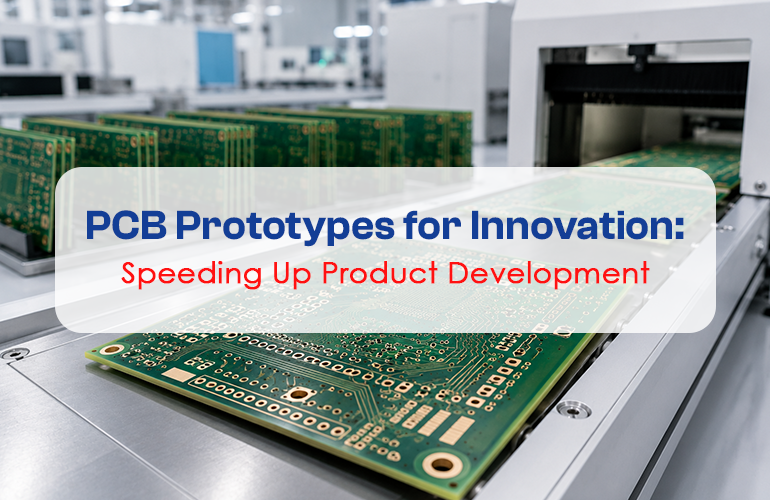
In today’s fast-paced electronics industry, time-to-market is crucial for innovation. PCB prototypes play a vital role in accelerating the development of electronic products. They help identify design flaws early, refine prototypes quickly, and ensure high product performance. Therefore, understanding how PCB prototypes for innovation works is key to delivering products faster and staying ahead of the competition.
Early Testing for Faster Results
Using PCB prototypes allows designers to test their designs early in the process. This early-stage testing makes it easier to identify and resolve issues quickly. As a result, the product development process becomes faster and more efficient. By identifying errors early, companies save time and resources that would otherwise be spent on correcting problems in later stages of production.
Iterative Prototyping for Speed
PCB prototypes allow for fast iterations in product design. Designers can test, modify, and re-test prototypes in a fraction of the time it would take with traditional methods. This quick iteration helps get the product closer to its final design faster. With every cycle, designs become more refined, and the development timeline is shortened.
Fast iteration speeds up the entire product development cycle, enabling companies to move quickly from concept to the finished product.
Refining Designs for Innovation
Prototypes help refine designs based on real-world testing. Modifying the prototype and re-testing it helps teams create the most effective design. This process speeds up innovation and ensures the final product is of high quality.
By using PCB prototypes to test concepts and features, engineers can fine-tune designs before the production phase. This is crucial for delivering high-quality and reliable products that meet performance requirements.
Risk Reduction and Faster Development
By using PCB prototypes, potential problems can be detected early on, reducing the risk of expensive errors later in production. This helps speed up the overall development process, ensuring that products are delivered on time and within budget.
When prototypes reveal issues, they provide an opportunity to make adjustments before mass production begins. This proactive approach minimizes delays and production disruptions, ultimately reducing costs and improving efficiency.
Accelerating Time-to-Market
Fast prototyping allows businesses to shorten the time it takes to bring their product to market. The quicker the prototype is tested, validated, and refined, the faster production can begin, resulting in quicker product launches.
This faster time-to-market is especially crucial in industries where staying ahead of the competition is key. By using PCB prototypes, companies can ensure that their innovations reach customers sooner, giving them a competitive edge.
Conclusion
PCB prototypes for innovation are essential in speeding up product development. By enabling early testing, rapid design iterations, and minimizing risks, prototypes help businesses bring high-quality products to market faster. This not only saves time and resources but also accelerates innovation, ensuring that products meet customer demands promptly.By understanding how PCB prototypes work, manufacturers can make better design decisions, improve efficiency, and ensure that their products are ready for the market quicker than ever before.